
Top-Rated Products For Flood Damage Cleanup and Restoration
Select from proven flood restoration essentials that simplify cleanup processes and ensure long-lasting results.
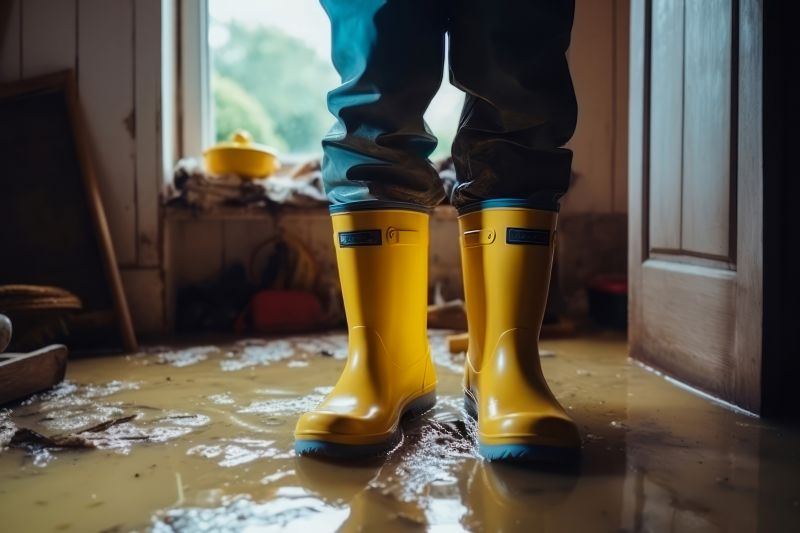 Flood damage restoration involves a comprehensive approach to mitigate water intrusion, remove excess moisture, and restore affected areas to their original condition. The process begins with effective water extraction methods to remove standing water and reduce the risk of secondary damage such as mold growth or structural weakening. Once the initial water removal is complete, specialized drying equipment is employed to thoroughly dry out walls, floors, and other surfaces. This step is crucial to prevent long-term issues that can compromise the integrity of the property.
Top Overall Option
High-Performance Commercial Water Extractor
A versatile and powerful water extractor designed for rapid removal of standing water from large areas. It features adjustable settings, high-capacity tanks, and durable construction to handle extensive flood cleanup efforts efficiently. Ideal for professional restoration teams, it ensures thorough water removal, reducing the risk of mold and structural issues.
Types of Products For Flood Damage Restorations
Submersible Water Pumps
Used to extract water from flooded areas quickly, especially in basements and crawl spaces.
Industrial Dehumidifiers
Designed to remove excess moisture from large spaces, helping to prevent mold growth.
Air Movers and Drying Fans
Accelerate the drying process by circulating air and reducing humidity levels.
Moisture Meters
Tools for assessing moisture levels in walls, floors, and other surfaces to guide drying efforts.
Flood Barriers and Sandbags
Used to prevent further water intrusion and protect unaffected areas.
Sanitizing and Disinfectant Sprays
Help eliminate bacteria, mold spores, and other contaminants introduced by floodwaters.
Wet/Dry Vacuums
Effective for removing residual water from carpets, upholstery, and hard surfaces.
Drywall Saws and Removal Tools
Facilitate the removal of water-damaged drywall and insulation for replacement.
Air Purifiers with HEPA Filters
Improve indoor air quality by capturing mold spores and airborne contaminants.
Structural Repair Materials
Includes sealants, primers, and replacement panels for restoring damaged building components.
Popular Choices
Compact and easy-to-use devices suitable for quick water removal in various settings.
Effective for large-scale moisture control in flooded basements and commercial spaces.
Popular for their ability to rapidly dry out large areas and reduce drying times.
Widely used to identify hidden moisture behind walls and under floors.
Commonly employed to prevent additional water ingress during floods.
Trending for their role in disinfecting surfaces after water damage.
Versatile tools favored for their ability to handle various cleanup tasks.
Popular among restoration professionals for efficient drywall extraction.
Chosen for their capacity to improve air quality by removing odors and pollutants.
Trending for their comprehensive solutions to restore damaged building elements.
In addition to drying, cleaning and sanitizing are vital to eliminate contaminants and prevent potential health hazards. This often involves the use of disinfectants and antimicrobial agents designed to neutralize bacteria, mold spores, and other pollutants introduced by floodwaters. Dehumidifiers and air movers are commonly used to accelerate the drying process, ensuring that moisture levels are brought back to safe ranges.
Restoration may also include repairing or replacing damaged building materials such as drywall, flooring, insulation, and electrical components. Proper assessment and careful selection of products are essential to ensure effective and lasting results. For homeowners and professionals alike, having access to a variety of reliable flood damage restoration products can make the recovery process more efficient and manageable. Understanding the different types of tools and materials available can help in planning a comprehensive response to flood emergencies, minimizing potential health risks and structural damages.
Key Buying Considerations
- Power and capacity of water extraction equipment to handle flood volume.
- Portability and ease of use for quick deployment and maneuverability.
- Durability and build quality to withstand demanding restoration tasks.
- Coverage area of dehumidifiers and air movers to ensure effective drying.
- Adjustability of settings for different materials and moisture levels.
- Compatibility with existing tools and equipment used in restoration.
- Availability of replacement parts and maintenance support.
- Safety features such as thermal overload protection and stable bases.
- Energy efficiency to reduce operational costs during extended use.
- Size and storage considerations for equipment in limited spaces.
- Effectiveness of filtration systems in air purifiers for mold and odor control.
- Ease of cleaning and maintenance of the products.
- Compliance with safety and industry standards.
- Customer reviews and reliability ratings to gauge product performance.
- Cost-to-value ratio for long-term use and multiple projects.